Introduction:
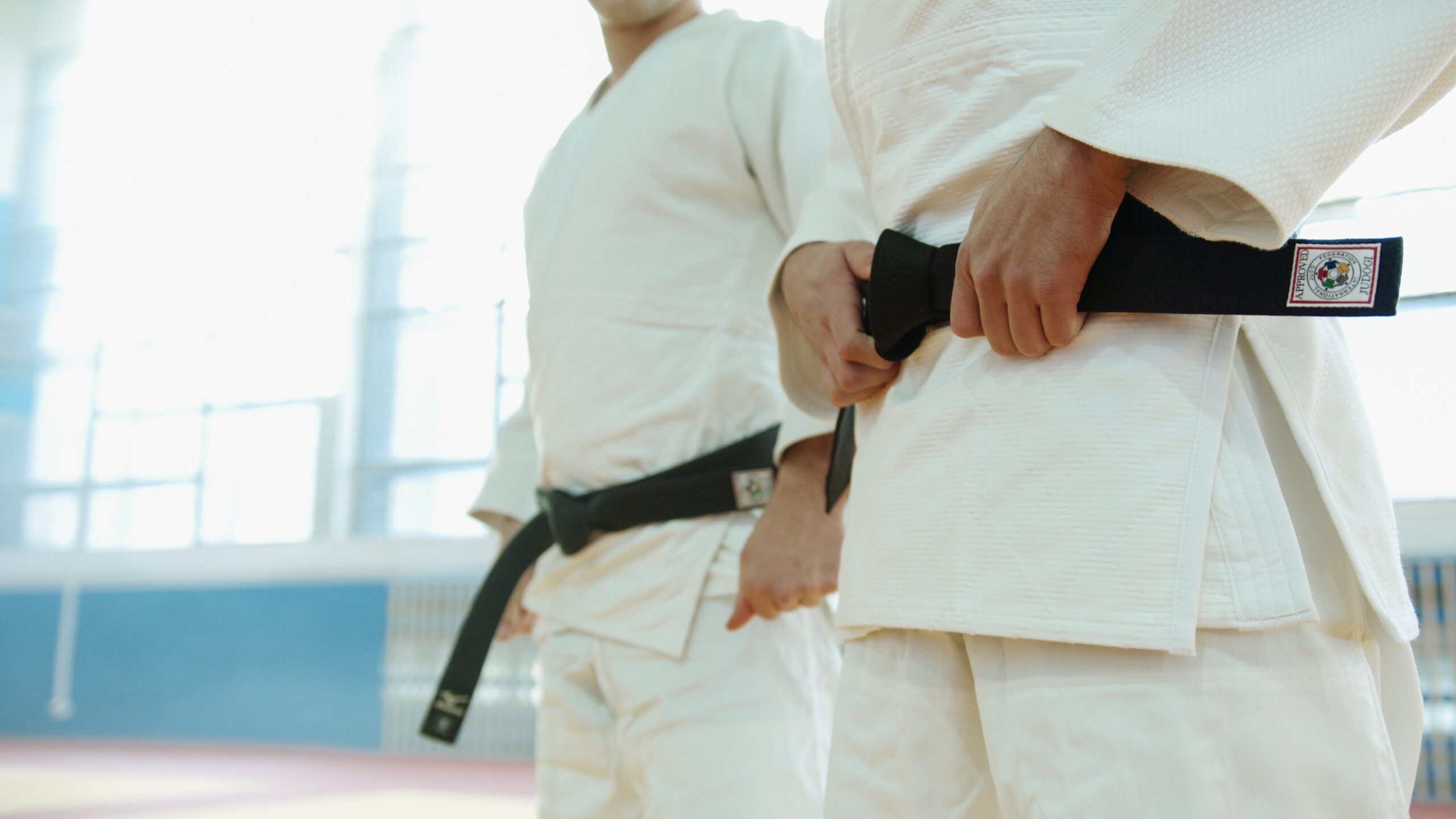
Martial arts is not just about learning how to defend yourself; it is a holistic approach to physical and mental well-being that has been practiced for centuries across various cultures. The benefits of engaging in martial arts extend far beyond the ability to throw a powerful punch or execute a well-timed kick. In this article, we will explore why martial arts is good for you, highlighting its positive impact on physical fitness, mental health, self-discipline, and social well-being.
- Physical Fitness:
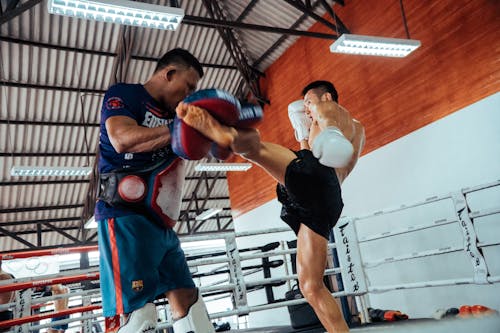
One of the most apparent benefits of practicing martial arts is the improvement of physical fitness. Martial arts training involves a combination of cardiovascular exercises, strength training, and flexibility drills. Whether it’s the dynamic movements of kickboxing or the precise techniques of karate, martial arts provide a full-body workout that enhances strength, endurance, and agility. Regular training helps develop lean muscle mass, increase bone density, and improve overall cardiovascular health.

- Mental Health:

Martial arts is not just about physical strength; it also places a strong emphasis on mental fortitude. The discipline required to master techniques, the focus needed to execute precise movements, and the perseverance to overcome challenges contribute to improved mental well-being. Many martial arts practices incorporate meditation and mindfulness, helping practitioners cultivate a calm and centered mind. The mental benefits of martial arts extend to stress reduction, improved concentration, and enhanced self-awareness.
- Self-Discipline:
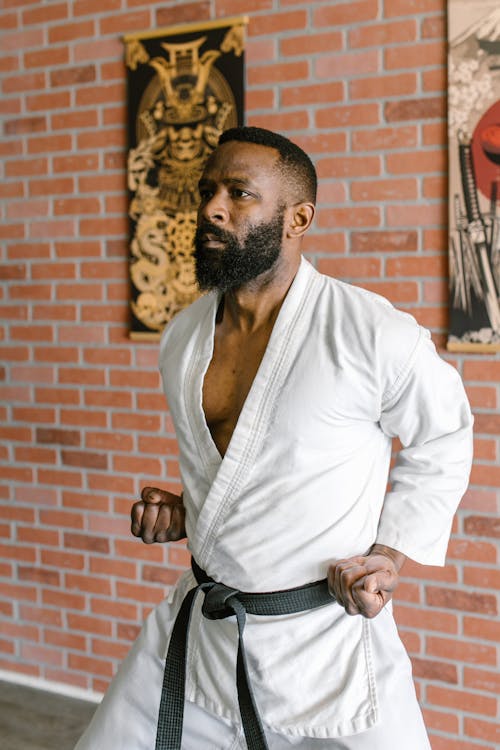
One of the core tenets of martial arts is self-discipline. Training in martial arts requires commitment, consistency, and the ability to follow a structured regimen. Practitioners learn to set and achieve goals, whether it’s mastering a specific technique, advancing to the next belt level, or participating in competitions. This instills a sense of discipline that often carries over into other aspects of life, such as work, academics, and personal relationships.

- Self-Confidence:
As individuals progress in their martial arts journey, they gain a sense of accomplishment and self-c
onfidence. Overcoming challenges and mastering new skills contribute to a positive self-image. This newfound confidence extends beyond the dojo or training space, positively impacting various areas of life. The ability to defend oneself also provides a sense of empowerment, fostering confidence and a greater sense of personal security.
- Social Well-Being:

Martial arts training often takes place in a supportive and communal environment.
Whether it’s a traditional dojo or a modern training facility, the sense of community is a powerful aspect of martial arts. Practitioners train together, share experiences, and build lasting friendships. The camaraderie within a martial arts community provides emotional support and encouragement, contributing to a sense of belonging and social well-being.
Conclusion:
In conclusion, martial arts is a multifaceted practice that offers a wide range of physical, mental, and social benefits. Beyond the ability to defend oneself, practitioners experience improvements in physical fitness, mental health, self-discipline, and self-confidence. The holistic nature of martial arts makes it an ideal activity for individuals of all ages and fitness levels, promoting a balanced and healthy lifestyle. Whether you are looking to improve your physical fitness, enhance your mental well-being, or develop self-discipline, martial arts provides a comprehensive and rewarding path to personal growth.